
-
Fewer than half of US adults met aerobic activity guidance: what the latest figures show
New national survey data show a participation gap, but the figures measure leisure-time activity and should not be turned into a judgement about individuals.
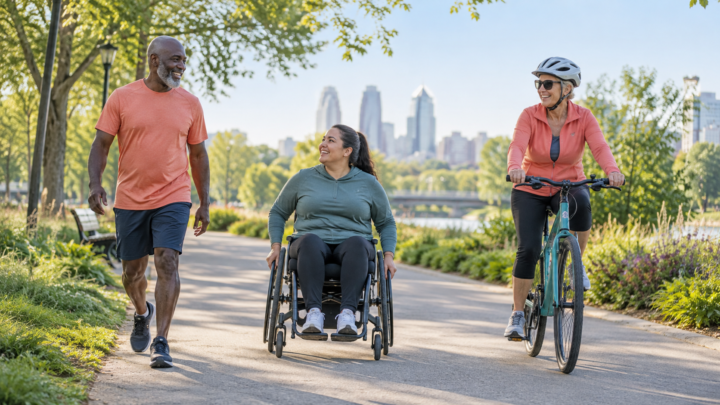
-
Healthy diets remain unaffordable for 2.7 billion people: why food advice needs context
A new UN report puts the cost of nutritious food at the centre of the global nutrition story, challenging advice that treats eating well as willpower alone.

-
More than a billion people live with a mental health condition: what the latest global update shows
WHO's latest overview describes substantial mental-health needs alongside persistent gaps in funding, workforce and community-based care.

-
Safe care for life: what World Patient Safety Day 2026 means for long-term conditions
The latest WHO campaign puts safety across years of care in focus. Here is what coordinated, understandable care can look like in everyday life.

-
Ten questions to ask before believing a new health study
A practical checklist for judging a study claim before sharing it or allowing it to change a health decision.

-
Why health and treatment headlines change over time
New findings, better methods and different questions can change the story without proving that science cannot be trusted.

-
Understanding levels of health evidence without using a simplistic hierarchy
Why different research designs answer different questions and why quality matters as much as the label.

-
How to read a health study: start with the methods, not the headline
A practical guide to study design, participants, comparisons, outcomes and the limits of a single result.

-
Relative risk and absolute risk: how to read the difference
Understand why a large percentage change can describe a small real-world difference, and which numbers to request.

-
How to adapt movement to your energy, access and ability
A practical framework for choosing inclusive movement without comparing your body or circumstances with someone else’s.

We respect your inbox. Unsubscribe at any time.